A Fund Just Bought Two Suffolk Warehouses. Clear Height Explains Why.
LaSalle and Camber paid institutional money for old low ceilinged Long Island warehouses. Scarcity is what they bought, and renewals are what comes next.
By Melville Chamber of Commerce ·
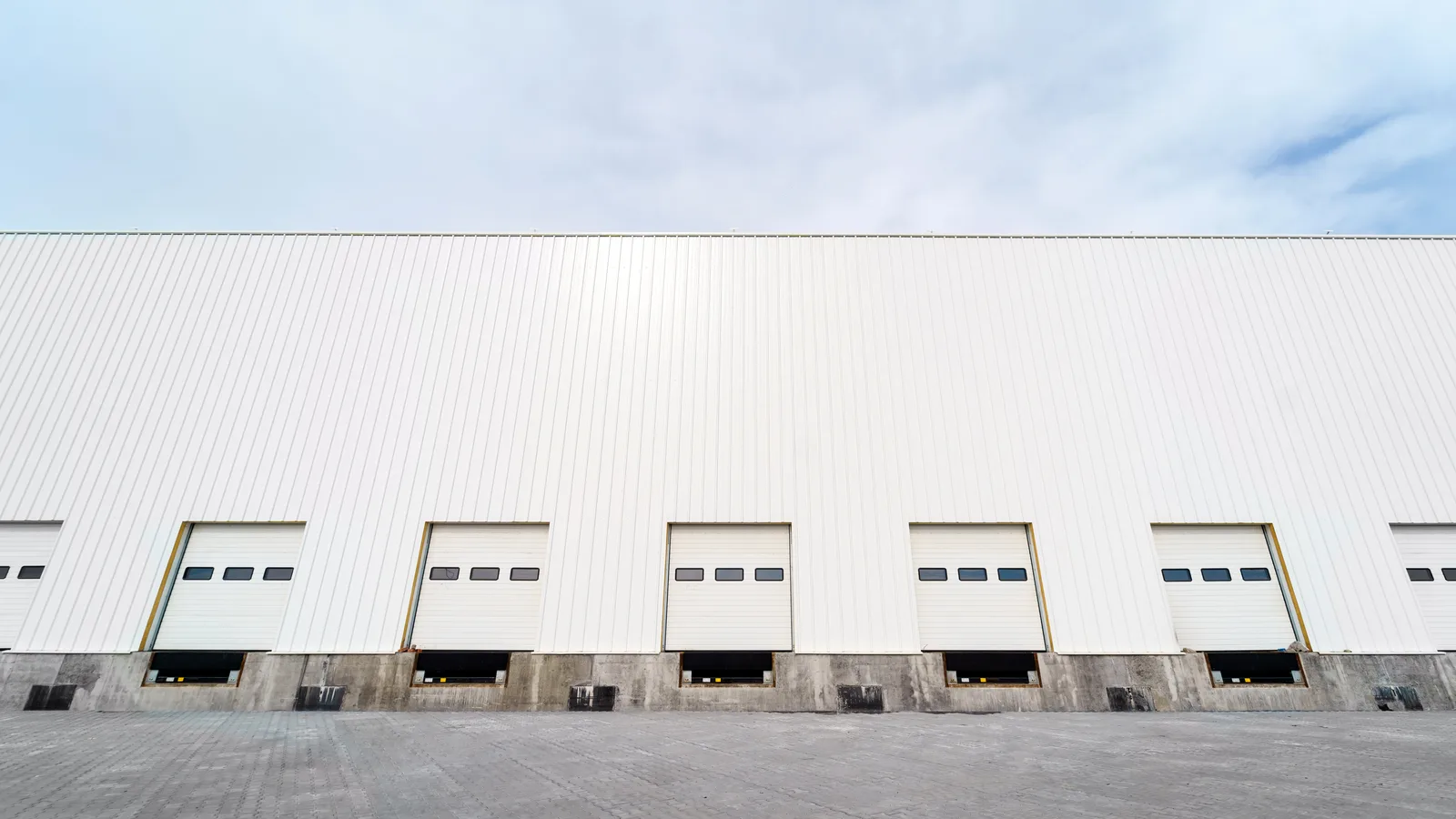
LaSalle Investment Management, the real estate investment arm of JLL, announced on September 2 that it had formed a joint venture with Camber Real Estate Partners of New Jersey and bought three industrial buildings in the New York metropolitan area totaling more than 270,000 square feet. Two of the three are in Suffolk County, on the South Shore. The third sits in the JFK Airport submarket. The price was not disclosed, and neither were the exact addresses.
The interesting detail is not the size of the deal. It is the specifications the buyers published, because those numbers describe buildings that nobody would build today.
Read the clear heights
The near 46,000 square foot building by the airport has 32 loading docks, two drive-in doors and 16 foot clear heights. One of the Suffolk buildings runs 100,230 square feet with drive-in and tailgate loading and 20.5 foot clear heights. The other runs 124,500 square feet at 28 feet.
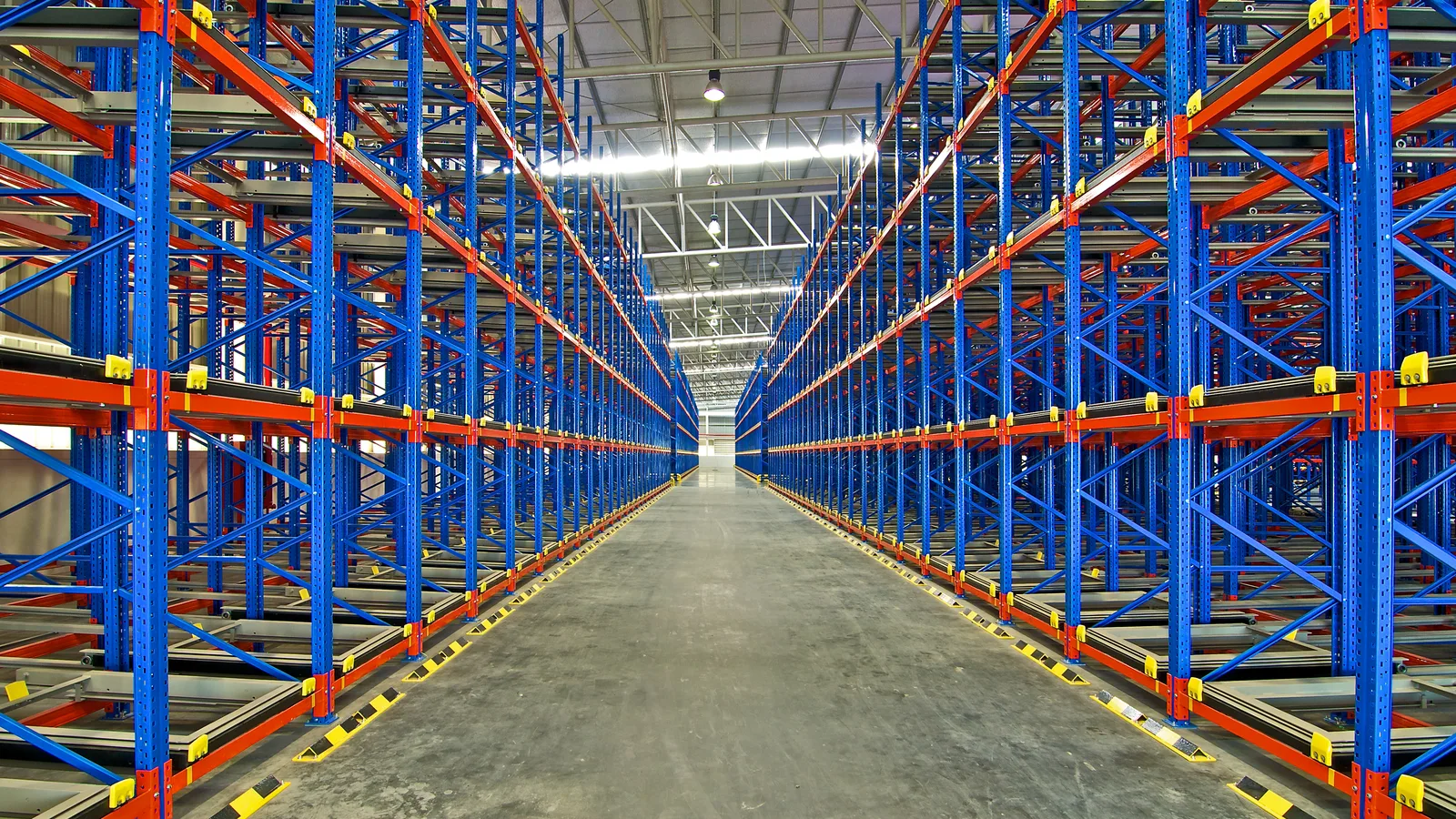
Clear height is the distance from the slab to the lowest overhead obstruction, and it is the single number that dates an industrial building. New speculative warehouse construction in this country now targets 36 to 40 feet, because racking systems went vertical and the economics of a distribution building are set by cubic feet rather than square feet. A 16 foot building cannot rack. A 20.5 foot building racks badly. Those buildings were built for a different logistics business and they would not be financed as new construction anywhere with land available.
Which is the point. There is no land available here. The buyers describe the region as supply constrained with high barriers to entry, and that is not marketing language, it is the reason a fund is paying institutional prices for a 16 foot box. On Long Island the constraint is physical and regulatory at the same time: an island with two counties, an industrial zoning inventory that has been shrinking for thirty years as parcels convert to residential and retail, and a groundwater and traffic review process that adds years to anything genuinely new. When you cannot add supply, the old stock stops being obsolete and starts being scarce.
What both buildings had in common
The portfolio was fully leased at closing, to what the buyers describe as investment grade tenants in global logistics and national defense. It was also an off market transaction, meaning it never went to a broad marketing campaign where a local buyer could have seen it.
Those two facts belong together. An institutional buyer underwriting a fully leased building with a credit tenant is buying a bond with a roof on it, and the return has to come from somewhere other than fixing vacancy. It comes from the rent roll rolling. The buyer's model has a number in it for what each of those leases renews at, and that number was set by comparing the building's current rent to what similar space is achieving today, in a market where similar space is not being added.
Long Island's industrial rent is a corridor problem
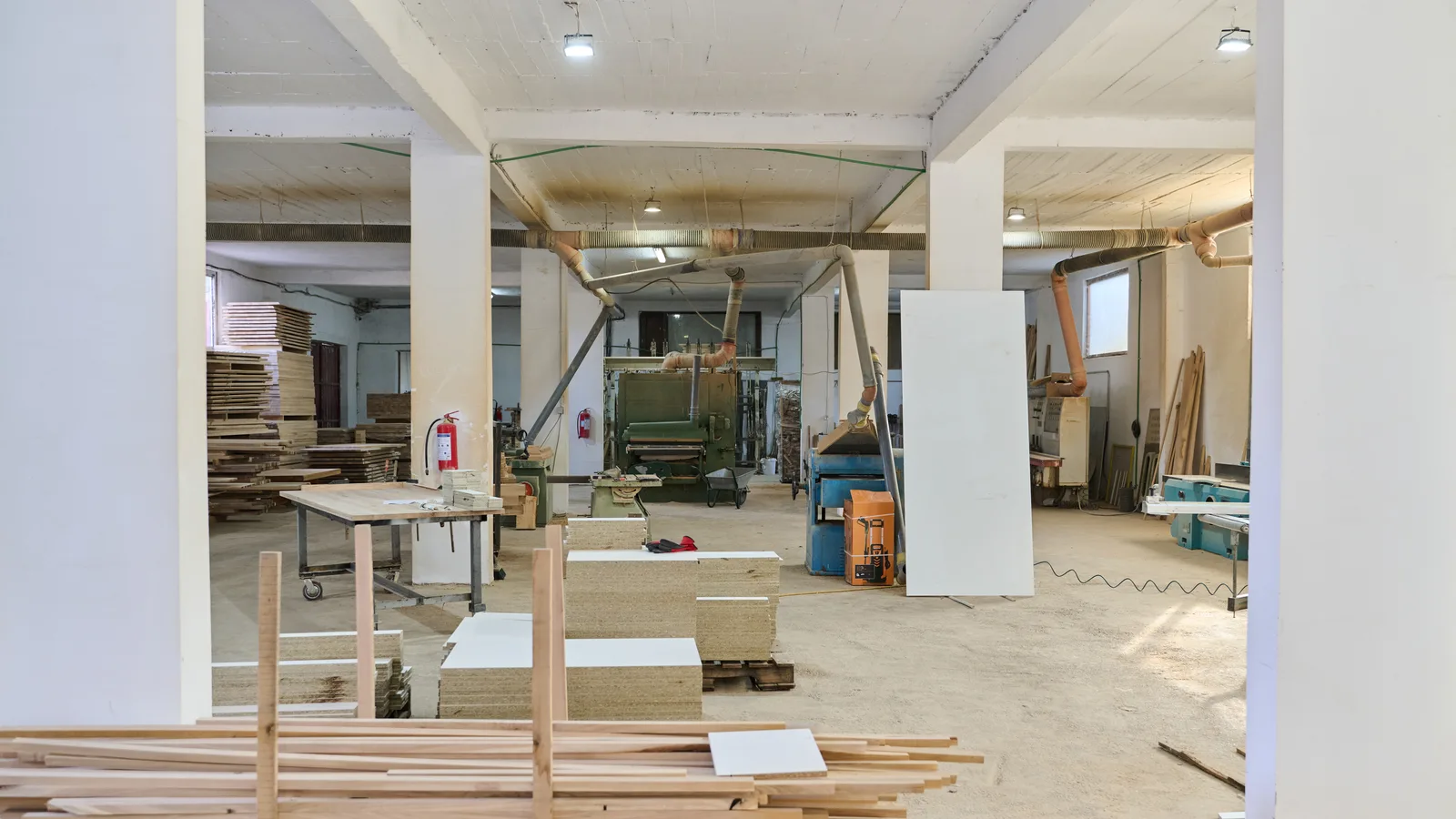
The Route 110 corridor and the Hauppauge Innovation Park hold a great deal of exactly this kind of building: mid century and late century flex, warehouse and light manufacturing space with clear heights in the high teens and low twenties, roll up doors instead of docks, and tenants who have been there long enough that the rent is well under market. A distribution operator, a contractor with a yard, a fabricator, a distributor with a small assembly line, all of them occupy space that a national fund now considers investable.
The practical difference between a family owner and a fund owner is not that one is friendlier. It is that a family owner is often optimizing for a tenant who pays on time and never calls, and a fund is optimizing for a valuation that gets reported quarterly. A renewal from the first kind of landlord is a phone call. A renewal from the second kind is an underwriting exercise, and it arrives with a market study attached.
What it means for members
If you lease industrial or flex space anywhere in Nassau or Suffolk, find out who owns your building this month rather than the month your lease expires. A deed transfer is public and takes ten minutes to look up at the county clerk. If ownership has changed to an institution or a joint venture since you last renewed, start the renewal conversation eighteen to twenty four months out rather than the six months that used to be enough, because a fund will run the comparables whether or not you do, and the first time you see their number should not be sixty days before you have to answer it.
If you own your building, the same scarcity that is compressing your neighbor's renewal terms is sitting under your balance sheet. Buildings with the specifications described in this deal are trading to national capital in an off market process, which means the bid does not come to you unless somebody knows you exist.