
The Cheapest Subsidized Apartment in Hicksville Is $2,165 a Month
Nineteen below-market apartments at The Lisle are open by lottery until September 28. The published income floors show what Nassau wages have to clear.
By Melville Chamber of Commerce ·
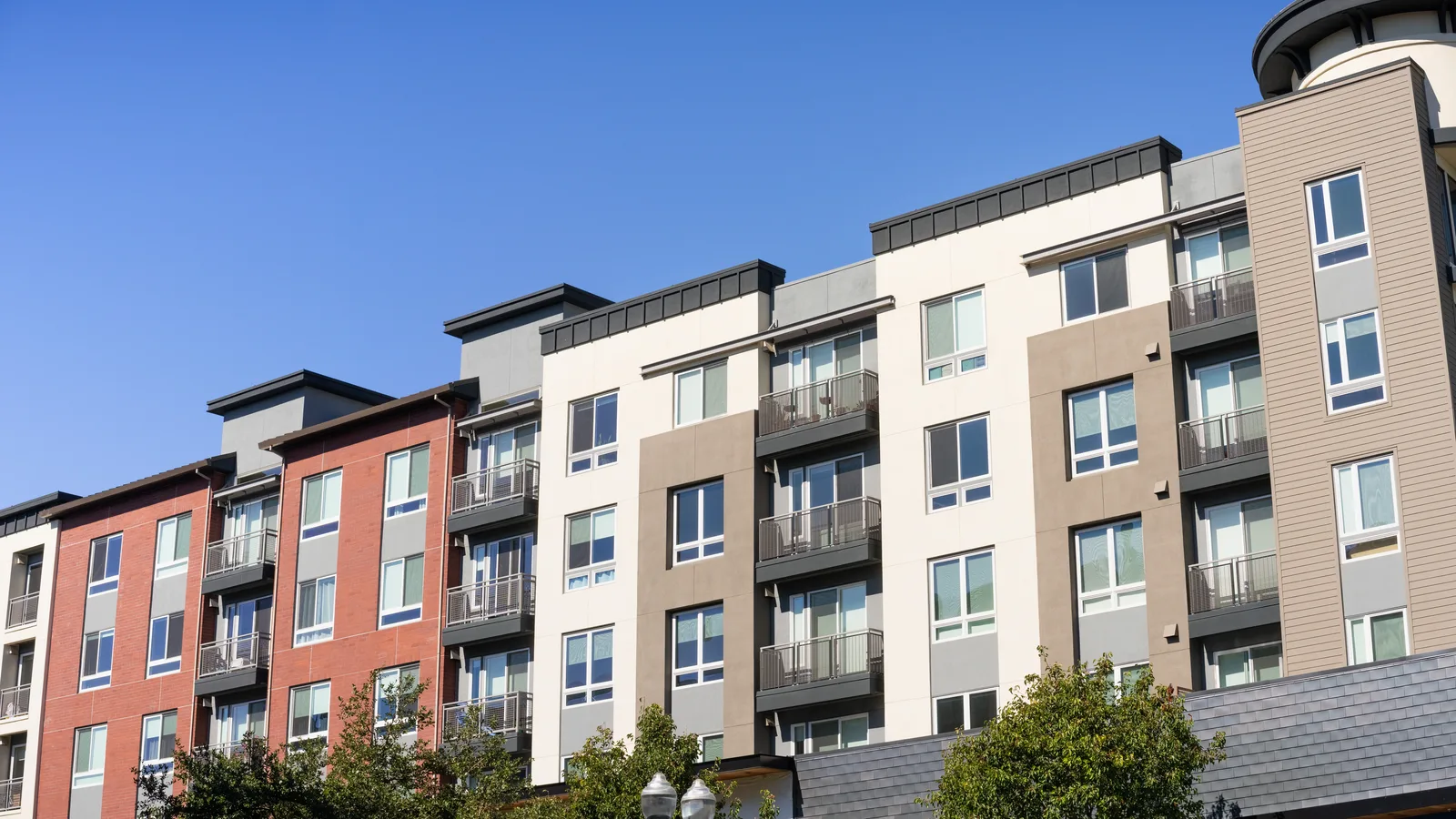
The Long Island Housing Partnership is taking lottery applications until September 28 for nineteen below market apartments at The Lisle, a 189 unit rental building at 100 Nelson Avenue in Hicksville owned by AR Hicksville LLC. There is no application fee, and a lottery sets the order in which applicants are reviewed for eligibility.
The rents and the income bands are published in full, and that table is the useful part of this for anyone who employs people in Nassau County. It is one of the few places where the cost of housing a Long Island worker is written down as an exact number next to the exact income required to qualify for it.
The numbers
At 80 percent of area median income, the building is offering one studio at $2,165 a month, four one bedrooms at $2,309 and four two bedrooms at $2,755. At 100 percent of area median income there are four one bedrooms at $2,924, five two bedrooms at $3,492 and one three bedroom at $4,022.
Each unit type carries a minimum qualifying income. The studio requires at least $55,224 a year. The 80 percent one bedroom requires $59,184. The 80 percent two bedroom requires $71,016. On the 100 percent tier the floors are $73,994 for a one bedroom, $88,704 for a two bedroom and $102,528 for the three bedroom.
Convert the floors to an hourly wage at full time hours and the picture sharpens. The studio floor is about $26.55 an hour. The one bedroom floor at 80 percent is about $28.45. The two bedroom floor at 80 percent is about $34.14. Those are the wages at which a household becomes eligible to apply for the subsidized apartment, not the wages at which it can comfortably afford a market one.
Forty seven percent, every time
Run the ratio and the same figure comes back on every line. The studio rent is 47 percent of the minimum qualifying income. The 80 percent one bedroom is 46.8 percent. The 80 percent two bedroom is 46.6. The 100 percent one bedroom is 47.4. The three bedroom is 47.1.
Housing policy has treated 30 percent of gross income as the affordability threshold for decades. The floor on this program sits at roughly 47 percent, which means the lowest income household eligible for a below market apartment in Hicksville would be spending close to half of everything it earns, before tax, on rent. That is not a criticism of the program, which is offering real units at real discounts. It is a description of the gap between what area median income produces as a rent and what wages on Long Island actually are.
The arithmetic goes somewhere else that is worth noticing. A common private screen for a market apartment is an annual income of forty times the monthly rent. Apply that to the $2,309 one bedroom and it asks for $92,360. The maximum income allowed for a one person household in the 80 percent tier is $92,050. The income a private landlord would want to see for that rent is, to within a few hundred dollars, the income that makes a household ineligible for the discount.
Why this lands on an employer's desk
Every Nassau County business hiring at an hourly wage is competing for people who have to solve this problem, and the solution most of them reach is a longer commute. That has direct operating consequences: a wider recruiting radius, more attrition in the first ninety days, more schedule fragility when the Expressway or a train line has a bad morning, and a pay band that has to carry a commuting cost it did not have to carry ten years ago.
The published floors also give a hiring manager something specific. If your posted range tops out below about $28 an hour, an employee taking that job cannot qualify for the least expensive one bedroom in this building even at the discounted rent. That is not an argument that you must pay more. It is a fact about where the people who take that job will be living, and therefore how far they are driving, which belongs in the same conversation as the wage.
What it means for members
Put the September 28 deadline in front of your staff this week. Nineteen units is a small number and the odds in a lottery are what they are, but the application is free, it takes an evening, and an employee who lands one has effectively received a raise you did not have to fund. Employers who circulate this kind of listing get credit for it, and it costs nothing but the email.
Then take the income floors into your next compensation review. Pull the wage at the bottom of each of your Nassau County job families, annualize it, and compare it to $55,224 and $59,184. If your entry wage sits below those numbers, your effective recruiting map is not Nassau County, it is wherever the commute is still tolerable, and you should be budgeting and scheduling as though that is true. The Long Island Housing Partnership publishes these tables for every project it administers, which makes them a free and regularly updated read on what the bottom of your labor market costs.