No One Got Sick. A Bay Shore Food Plant Shut Down Anyway.
A Suffolk manufacturer recalled every salad and cream cheese it makes on the strength of swabs off its own floor. The trigger was the room, not a customer.
By Melville Chamber of Commerce ·
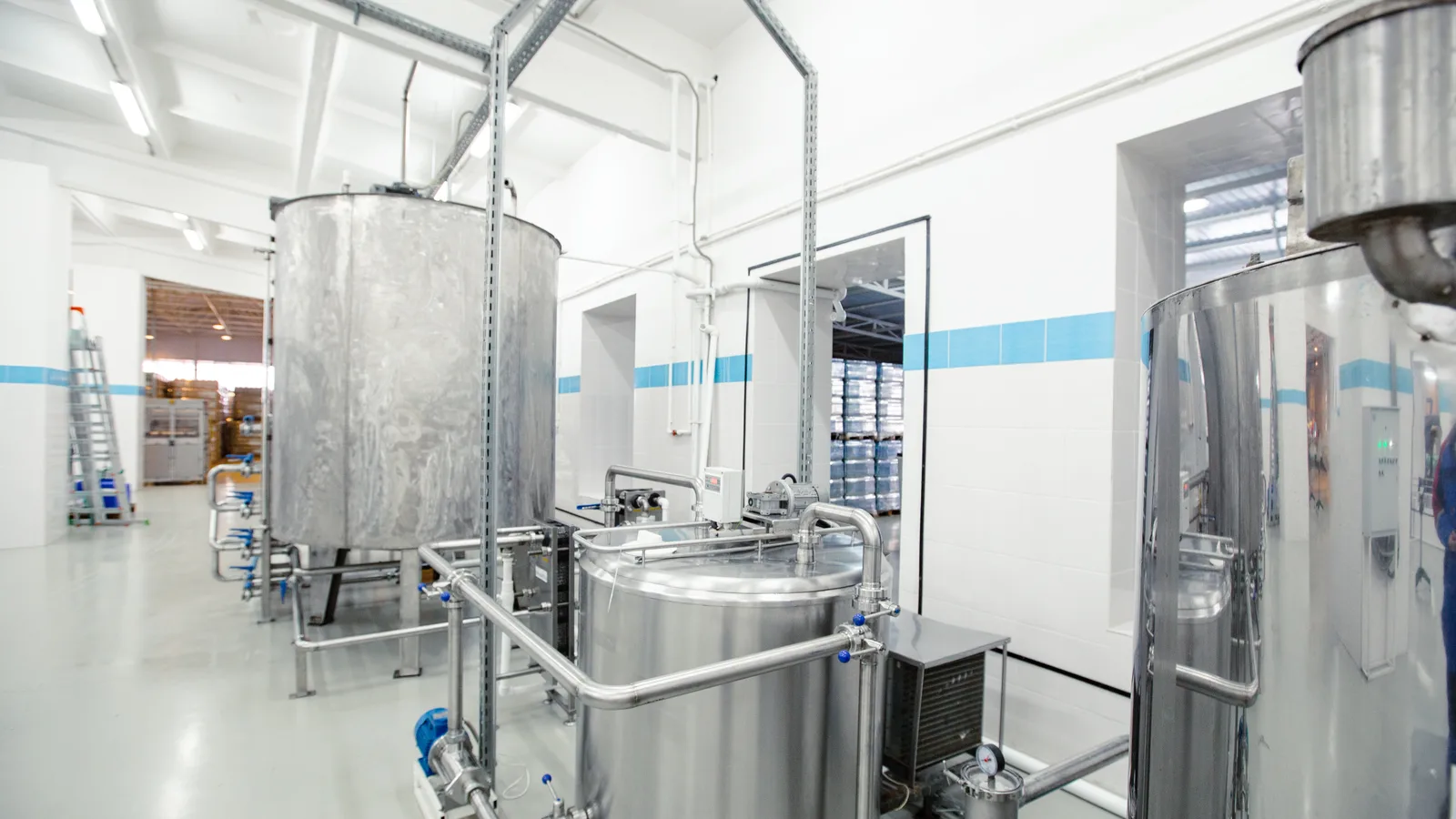
Nobody got sick. On September 6, Made Fresh Salads, Inc. of Bay Shore recalled every ready-to-eat deli style salad and every cream cheese it makes, stopped production and distribution, and did it on the strength of swabs taken inside its own plant.
What the notice says
The recall notice posted by the Food and Drug Administration covers ready-to-eat deli style salads and cream cheese in multiple varieties, sold under the Made Fresh Salads and Northside brands and packed in 30 pound and 5 pound white plastic tubs and half-size aluminum pans. Expiration dates run from September 3 through September 18, 2026, printed on the lower left of the label. Distribution was by direct delivery to retail stores and distributors in Brooklyn, Queens, the Bronx and the New York City area.
The cause is stated in a single line: environmental sampling by the FDA and by the company found that some areas of the facility tested positive for Listeria monocytogenes. No illnesses had been reported. The company has ceased production and distribution while the investigation continues, and gives a consumer line at (718) 765-0082 on weekdays during business hours.
Note the geography, because it decides whether this is a supply problem or a lesson. The plant is in Suffolk County. The product went to the five boroughs.
The trigger was the room, not a customer
This is the part worth understanding if you make, pack or repack food anywhere on Long Island.
A recall is usually imagined as the end of a chain that begins with a sick person: illnesses, an outbreak investigation, a traceback, a recall. That chain did not run here. There was no illness, no traceback, and no positive finished product named in the notice. There was a positive swab of the plant.
Under the FDA's preventive controls rules for human food, a facility producing ready-to-eat product that is exposed to the environment before packaging has to run an environmental monitoring program and swab zones inside the plant on a schedule. Those results are records the agency reviews during an inspection, and the agency swabs on its own account as well. When Listeria monocytogenes turns up on a food contact surface or close to one, the practical consequence is that product made in that room during the relevant window gets treated as adulterated whether or not anyone can find the organism in the food itself.
That is not a technicality at the edge of the rules. It is the enforcement posture for ready-to-eat food, and it means the sampling program, rather than the complaint line, is what decides whether a plant keeps producing.
The second one this year
The same company recalled 14 varieties of cream cheese and tofu spread from the same Bay Shore facility on February 20, 2026, in 5 pound tubs with expiration dates through February 27. That one came out of the company's own routine sampling, which found Listeria monocytogenes on a part of the mixer used to manufacture finished product. Same distribution area. No illnesses then either.
Two recalls roughly seven months apart, both found by swab and neither by a sick customer, describe a facility whose monitoring program is doing its job and whose environment is not yet under control. Those are two different problems with two different fixes, and only the second one is expensive.
What it means for members
If your business makes or packs ready-to-eat food, price out what a written environmental monitoring program costs against what one halted week of production would cost you, and run that arithmetic this week rather than after a finding.
And if you buy in salads, spreads or prepared foods and put your own label on them, the recall is yours as well as the manufacturer's. Your customers bring back the tub with your name on it, your case comes down, and your first protection is knowing your supplier's environmental sampling history before you sign the next purchase order. Ask for it. A manufacturer running a clean program will hand it over.