Hoka Is Opening Its Own Store in Riverhead, and It Sells to Your Store Too
Tanger's Riverhead directory lists Hoka as coming soon in Suite 909. When a brand opens its own door, the independent that built the category loses one.
By Melville Chamber of Commerce ·
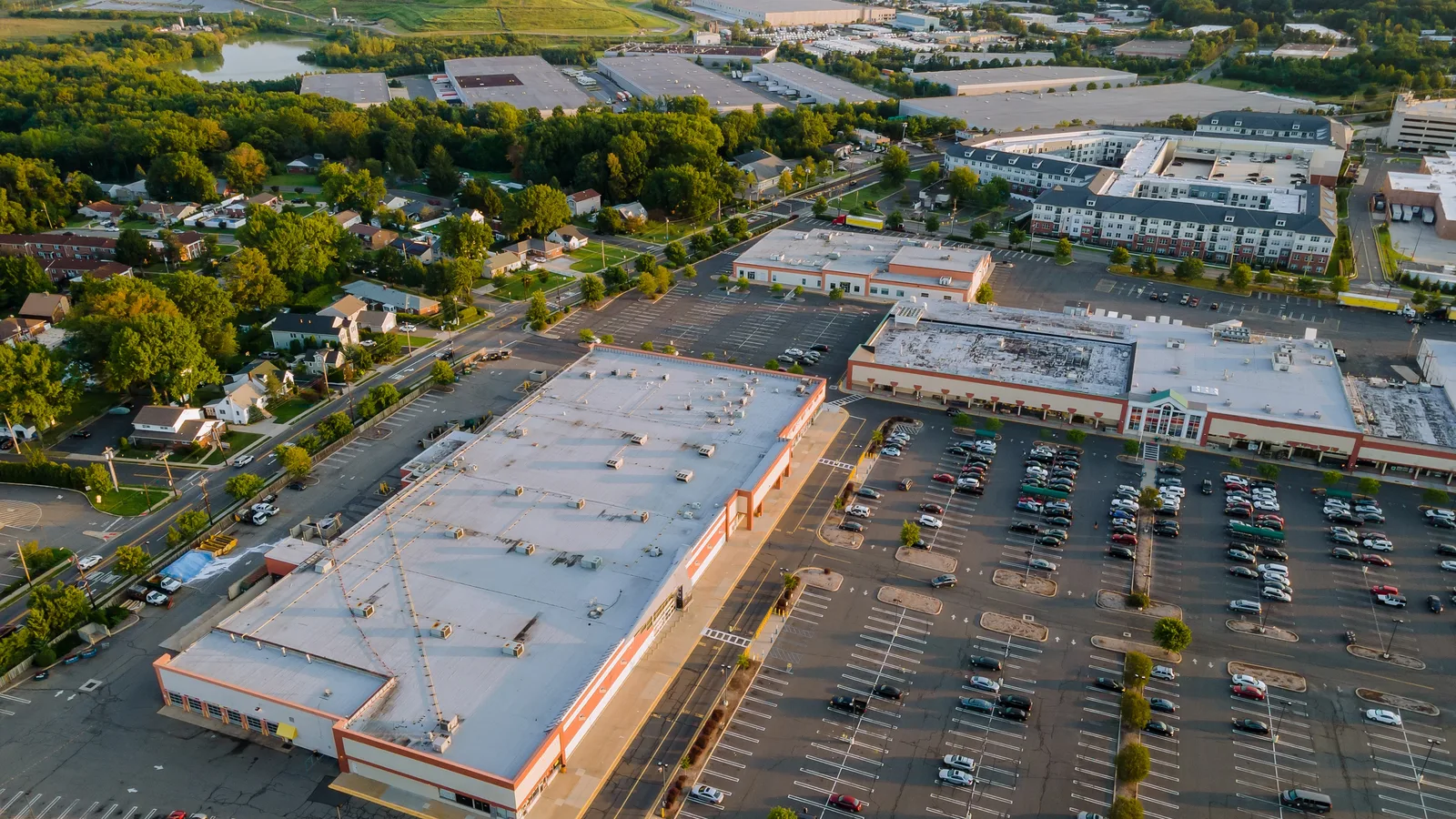
Tanger's own store directory for its Riverhead center now lists Hoka in Suite 909, filed under footwear and marked coming soon. As of September 9 it was the only listing in that directory carrying the label, which makes it the next thing scheduled to open at the Tanger outlet center on Route 58.
One shoe store is not news for anybody who does not sell shoes. What it is worth reading as is a marker in a shift that has been reorganizing consumer supply chains for a decade and has now arrived at a Long Island shopping center: the brands that built their businesses inside independent retailers are taking their own real estate.
What the parent company's filings say
Hoka is a brand of Deckers Outdoor Corporation, a public company that reports to the Securities and Exchange Commission. Its annual report on Form 10-K for the fiscal year ended March 31, 2026 counts 62 Hoka retail stores worldwide and 203 company operated stores across all of its brands. Direct to consumer net sales for that year came to $2.264 billion, an increase of 6.3 percent, with comparable direct to consumer sales up 4.6 percent.
Read those together and the strategy is legible. A brand that sells through wholesale accounts collects a wholesale price and hands the retail margin, the customer relationship and the transaction data to somebody else. A brand that opens its own door collects all three. Deckers has been steadily converting the second category into the first, and 62 stores is what that conversion looks like at this point in the process, not the end of it.
Why an outlet, and why the East End
The choice of format is as informative as the choice to open at all. An outlet center is where a brand can run its own store without breaking the price it charges everywhere else. The merchandise is nominally past season or made for the channel, the rent per square foot is lower than an enclosed mall or a Nassau strip on a state road. For a brand testing whether it can sell to a region directly, that is close to the cheapest possible trial.
Riverhead is also the only place on Long Island where that format exists at scale. A brand that wants outlet economics and a Long Island address has essentially one landlord to call, and the trade area it buys is not just eastern Suffolk. It is the North Fork and South Fork season, the traffic that stacks up on Route 58 on a summer Saturday, and day trips out of Nassau and western Suffolk that treat the drive as the outing.
The account that used to be the whole business
The operator most affected by this is not another outlet tenant. It is the independent running store, the athletic footwear shop, the orthopedic and comfort shoe retailer, and the sporting goods store in Nassau and western Suffolk that has carried this category for years. Those businesses did the demonstration work: fitting customers, holding inventory across widths, absorbing returns, and building the local familiarity that makes a brand worth stocking in the first place.
When the brand opens its own store sixty miles east, none of that work disappears, but the payoff on part of it moves. A customer fitted in Huntington can buy the second pair in Riverhead at outlet pricing, or on the brand's website, and neither transaction shows up in the store that made the sale possible.
This is not a Long Island phenomenon and it is not confined to shoes. The same pattern has run through appliances, eyewear, mattresses, cosmetics and pet supplies. What is specific here is the timing and the geography: a brand at the center of a category that Long Island independents rely on has just picked a Long Island address, and it is not the address any of them would have picked for it.
What it means for members
If you retail a national brand, pull your last two years of sales by vendor this week and mark which of those vendors now operates its own stores or has said publicly that it intends to. That list is your real risk register, and it is more useful than a general worry about e-commerce, because a vendor with its own stores has a stated plan you can read in its filings rather than a trend you have to guess at. For the vendors on that list, the conversation at the next buying appointment is about what you get in exchange for the demonstration work: exclusivity on a model, protected pricing, a co-op budget, or first allocation on constrained inventory. Vendors who intend to keep a wholesale channel will answer. The ones who do not answer have told you something too.
If you are a landlord or a broker working retail space in Nassau or western Suffolk, note where this tenant went. A brand with the resources to open anywhere on Long Island chose outlet space on the East End, which means your pitch to that category of tenant is now competing with a rent number set seventy miles from your property.