A Commuter Lot at Westbury Station Becomes 184 Apartments and a Retail Row
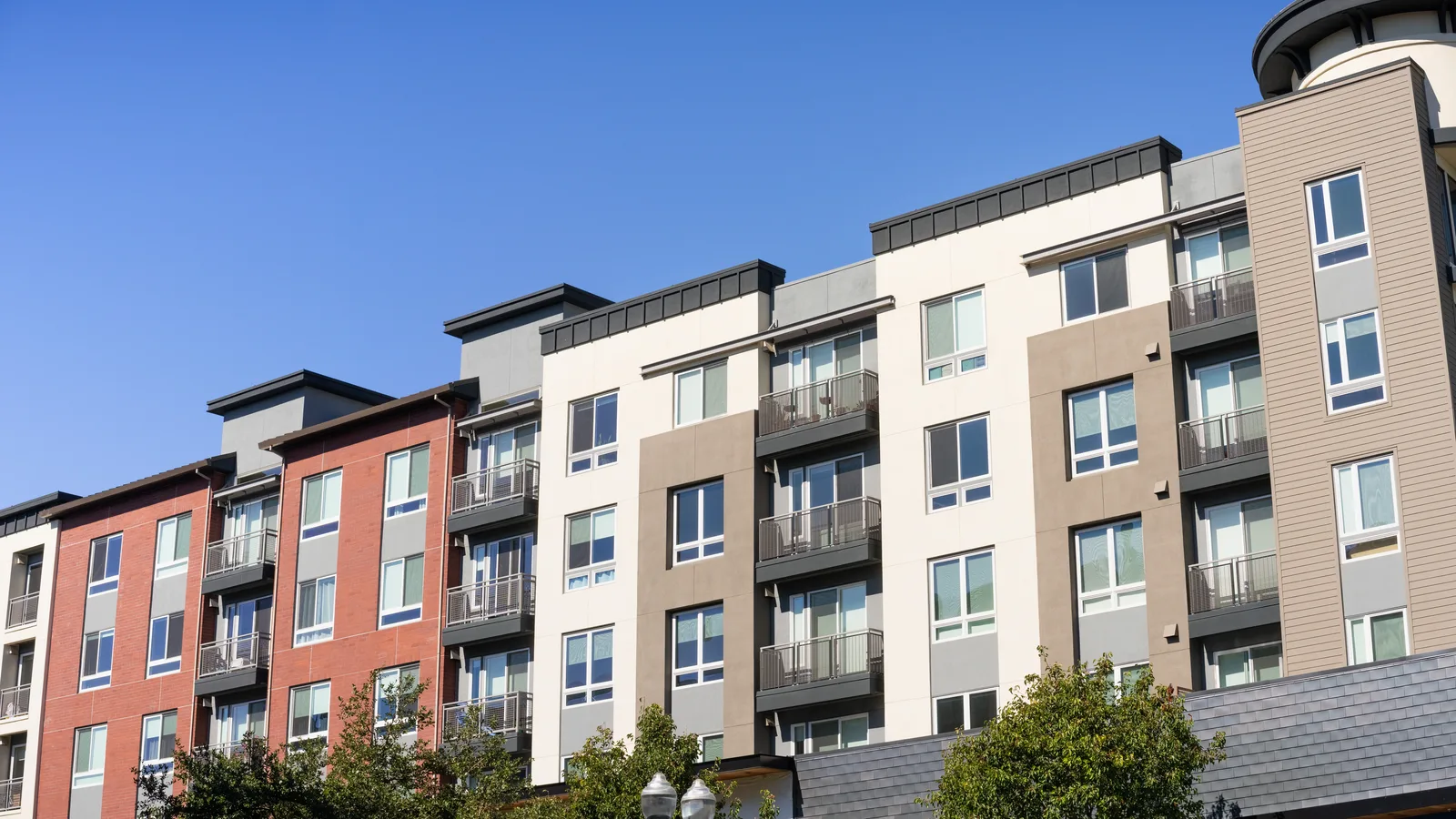
Westbury's board has taken up a 184-unit mixed-use building on the LIRR's old commuter lot, and the ground-floor retail will reset downtown rents.
By Melville Chamber of Commerce ·
The Village of Westbury Board of Trustees opened a public hearing on August 6 on an application from GO Westbury, LLC to build a 184 unit multifamily, mixed use building on Railroad Avenue near the intersection of Post Avenue. The hearing did not finish that night. It was carried over to the board's September 3 meeting, where it appeared on the agenda as a continuation, with a work session item earlier the same evening set aside to review the developer's materials.
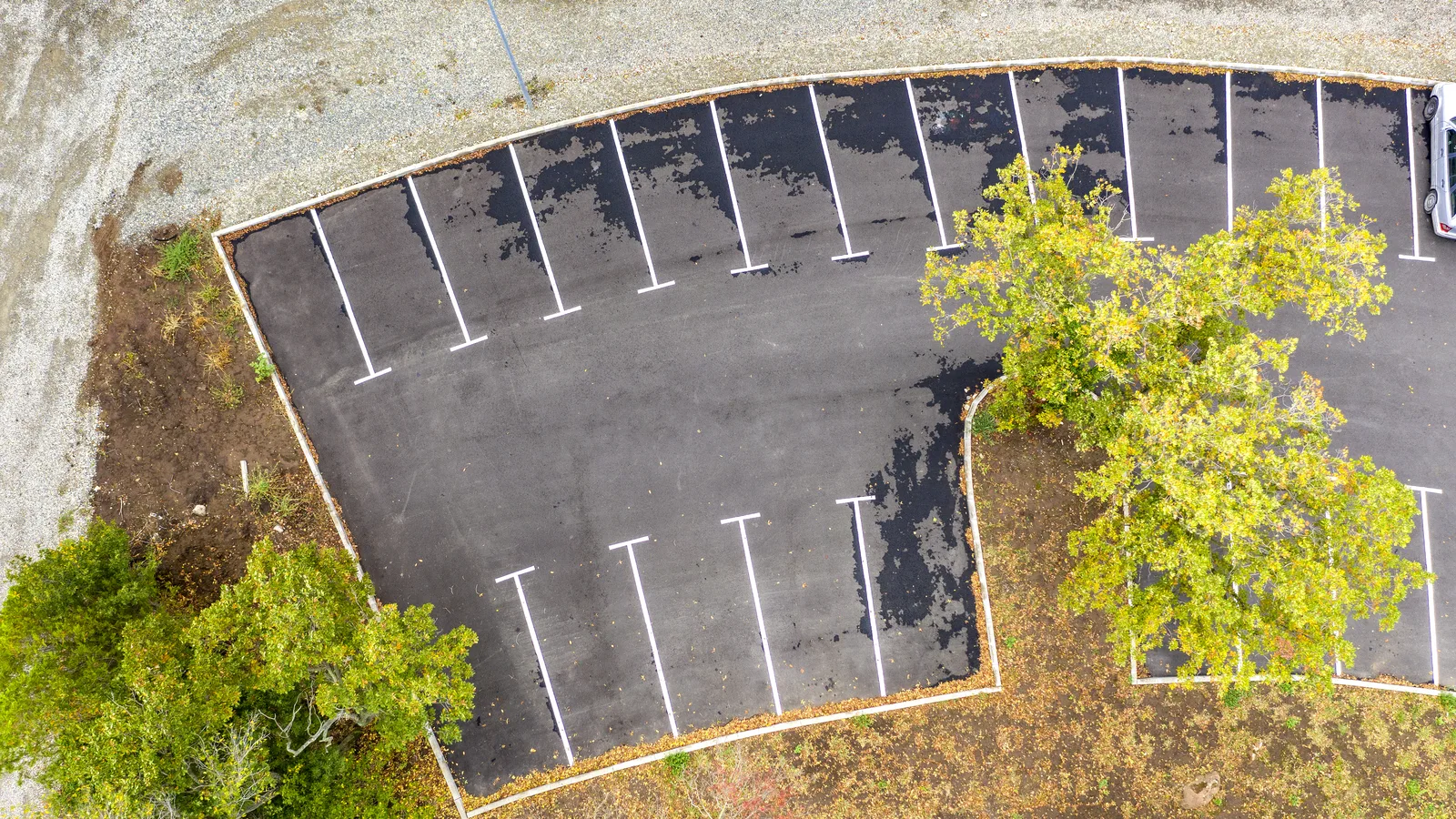
The address is the giveaway. Railroad Avenue at Post is the old Long Island Rail Road commuter parking lot on the south side of Westbury station, and the applicant is an affiliate of the Gotham Organization. The MTA describes the project as advancing on a 1.92 acre former surface lot through a long term ground lease, with new homes including income restricted units, neighborhood serving retail at street level, and a public plaza intended to improve access to the station.
The land is not being sold
That last part is the structural fact most coverage of this project skips, and it is the one that matters to anyone who leases space in downtown Westbury.
The MTA is not selling the parcel. It is leasing it. When the agency issued its request for proposals in September 2020, it offered a 99 year ground lease on the site and said plainly what it wanted out of the deal: a recurring revenue stream that funds transit, generated by land that stays in public ownership. A ground lease of that length behaves like a sale for practical purposes, in that the tenant builds and operates the building, but the rent is a fixed obligation on the project for a century and it escalates. That obligation sits ahead of every tenant in the building in the capital stack.
The lot became available in the first place because of the Third Track project. Building the additional track between Floral Park and Hicksville required rebuilding Westbury station, and part of that work was a four level, 683 space parking garage on the north side of the tracks. Once commuter parking moved into the garage, the surface lot on the south side stopped being parking and started being a development site. The station served roughly 4,000 riders a day before the pandemic.
The zoning was ready before the site was. In 2019 the village amended its zoning to create a transit oriented development district around the station, which is why an application of this size is a public hearing rather than a rezoning fight. Westbury also ran a ten million dollar Downtown Revitalization Initiative award through its downtown over the same period.
Ground floor retail is new supply
For a member with a storefront lease anywhere between Post Avenue and the station, the residential unit count is background. The retail is not.
Street level retail in a new building next to a train station is the most expensive space in a downtown and it typically leases to operators who can pay for visibility: a bank branch, a national coffee brand, a fast casual chain, a medical or dental practice. It does not usually pull customers away from an established independent two blocks off. What it does is reset the top of the rent range that every landlord in the district then reads as the market, and it does so at exactly the moment a lot of Westbury leases signed in the early 2020s come up for renewal.
The second effect arrives sooner and lasts longer. A 184 unit building on a constrained site next to an active railroad is a multi year construction job with staging, truck movements and lane work on Railroad Avenue. Anyone whose customers park on that block, or whose deliveries arrive through it, is going to feel the site before they see the building.
This is a template, not a one off
Westbury is the MTA's demonstration project for developing around a Long Island Rail Road station on land the agency already owns, and the agency has been explicit that the point is to repurpose surplus property created by station investments and turn it into recurring revenue. The Third Track work produced garages and reconfigured lots at other Main Line stations too. If the ground lease structure works here, the same structure is what shows up next to those stations, on the same logic and probably with the same zoning approach.
What it means for members
If you hold retail space in downtown Westbury, get your renewal conversation started before the ground floor of this building leases, because the rent that space achieves becomes the comparable your landlord cites, and you would rather negotiate against the old comparable than the new one. If you operate anywhere near Railroad Avenue, plan customer parking and delivery windows around a construction site that will be there for years rather than months. And if your business sits near any other Main Line station where the Third Track project built a garage, look at what happened to the old surface lot, because the MTA has now shown what it intends to do with them.